
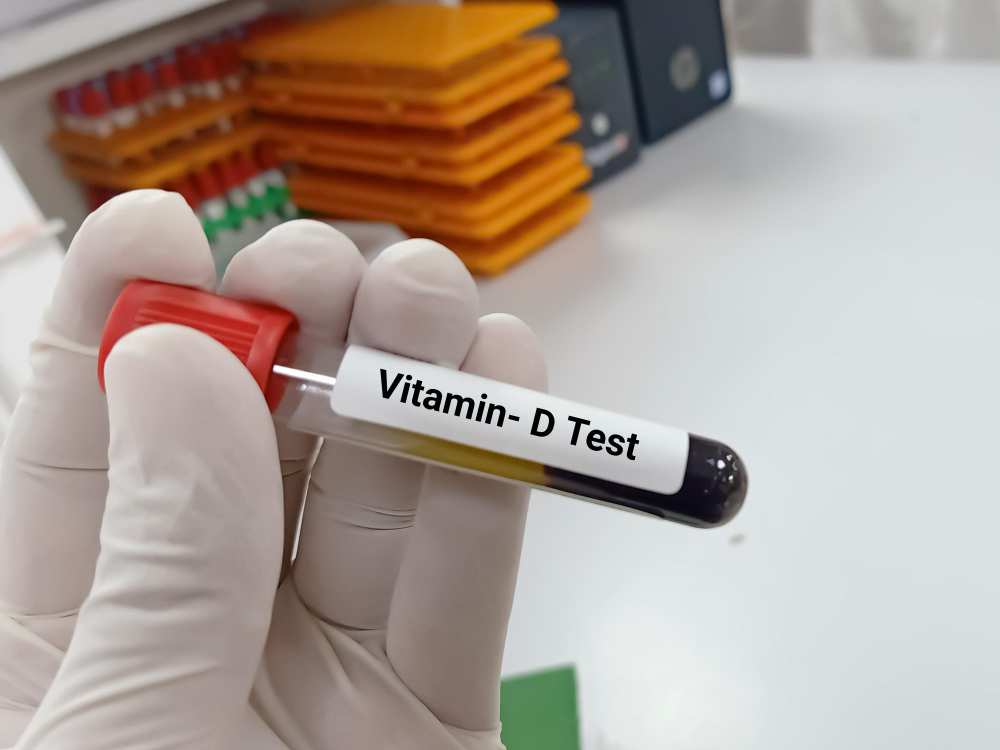
What Is a Vitamin D Test?
A Vitamin D test is a simple blood test that checks the level of Vitamin D in your body. Doctors often call it a Vitamin D deficiency test. This test helps find out if you have too little or too much Vitamin D. Since Vitamin D is important for strong bones and a healthy immune system, knowing your level can help you stay well. Many people ask how to check Vitamin D levels, and this test is the answer.
Why Is a Vitamin D Test Important?
Vitamin D helps your body use calcium to build strong bones. Without enough Vitamin D, you may feel tired or have weak muscles. Over time, low Vitamin D can lead to bone pain or even broken bones. In addition, some studies suggest that Vitamin D may help protect against certain illnesses. Therefore, checking your Vitamin D level can help catch problems early. If you have symptoms or risk factors, your doctor may suggest a Vitamin D blood test procedure.
Who Should Get Tested?
Not everyone needs a Vitamin D test. However, some people are at higher risk for low Vitamin D. You may need testing if you:
For example, people who cover their skin for cultural reasons may also need testing. If you are unsure, ask your doctor if a Vitamin D deficiency test is right for you.
How Is the Vitamin D Test Performed?
The Vitamin D test is quick and easy. Usually, a nurse or lab worker will:
Most people feel only a small pinch. The whole process takes just a few minutes. Afterward, you can go back to your normal activities. Because it is a blood test, you may hear it called a Vitamin D blood test procedure.
Understanding Your Results
Your test results will show your Vitamin D level in nanograms per milliliter (ng/mL). Here is what the numbers usually mean:
If your level is low, your doctor may suggest supplements or more sunlight. On the other hand, high levels can also cause problems. Therefore, always talk to your doctor about what your results mean for you.
Risks and Limitations
The Vitamin D test is very safe. However, like any blood test, you may have minor risks. For example, you could get a small bruise or feel dizzy. These side effects are rare and usually go away quickly. In addition, the test may not always show your true Vitamin D status if you are sick or taking certain medicines. Because of this, your doctor will look at your health history and symptoms as well.
How to Prepare for the Test
Most people do not need to do anything special before a Vitamin D test. However, it is a good idea to:
Sometimes, your doctor may ask you to stop certain supplements before the test. Always follow your doctor’s instructions for the best results.
Frequently Asked Questions
Consult Priyanka Patil’s Lab for personalized advice about Vitamin D testing and accurate results for your health.