
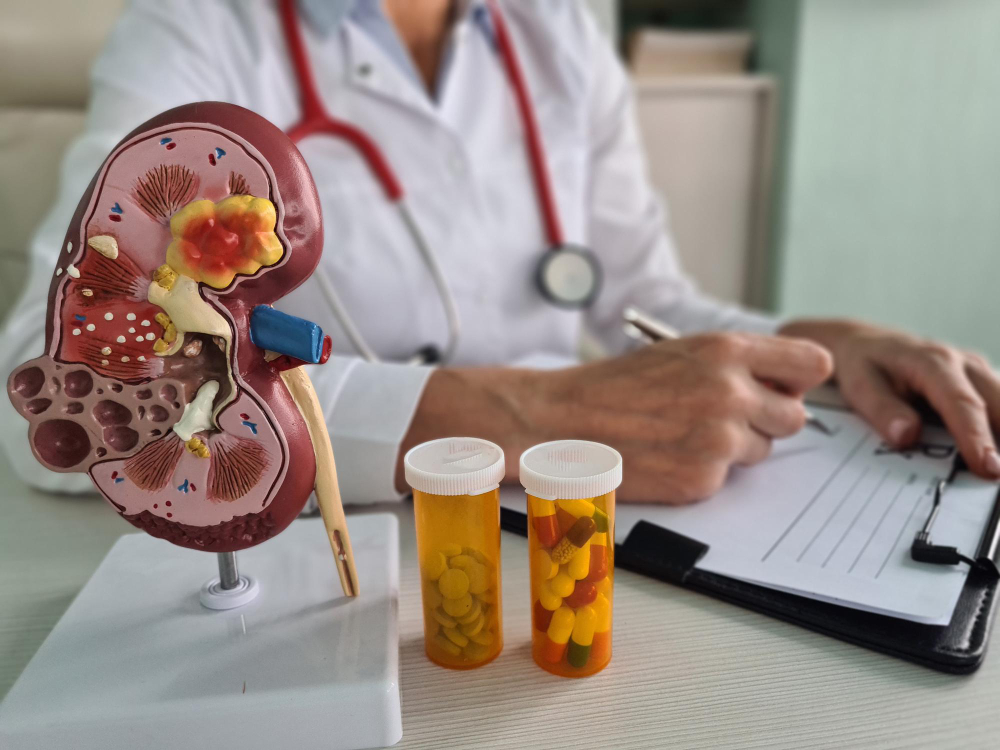
Introduction to Kidney Function and Tests
Your kidneys help remove waste and extra water from your blood. They also balance minerals and help control blood pressure. Because of this, healthy kidneys are important for your overall health. Doctors use kidney test results to check how well your kidneys work. These tests can spot problems early, even before you feel sick. According to the CDC, millions of people have kidney disease but do not know it. Therefore, regular testing is key for kidney health.
What Are Normal Kidney Test Results?
Doctors use several tests to check kidney function. Each test has a normal range. If your kidney test results are in this range, your kidneys are likely healthy. Here are the main tests and their normal values:
In most cases, your doctor will look at all these results together. This helps them get a clear picture of your kidney health.
Understanding Abnormal Kidney Test Results
Sometimes, kidney test results fall outside the normal range. This does not always mean you have kidney disease. However, it is a sign that your kidneys may not be working as they should. For example, high creatinine or low GFR can mean your kidneys are not filtering waste well. If your urinalysis shows protein or blood, it may signal kidney damage. Because of this, your doctor may order more tests to find the cause.
Common Causes of Abnormal Results
Many things can cause abnormal kidney test results. Some are temporary, while others are more serious. Common causes include:
Sometimes, even a heavy workout or eating a lot of meat can change your results. Therefore, always share your recent activities and medicines with your doctor.
How Are Kidney Tests Performed?
Most kidney tests are simple and quick. Usually, you will need to give a blood or urine sample. Here is how the main tests are done:
Sometimes, your doctor may ask for a 24-hour urine collection. This gives more detailed information about your kidney function.
What To Do If Your Results Are Abnormal
If your kidney test results are abnormal, do not panic. Many times, a single abnormal result does not mean you have kidney disease. Your doctor may repeat the test or order more tests. They may also ask about your symptoms, medicines, and health history. In some cases, you may need to see a kidney specialist. Early action can help prevent further problems. So, always follow your doctor’s advice.
Prevention and Lifestyle Tips
There are many ways to keep your kidneys healthy. Even small changes can make a big difference. Here are some tips:
Because prevention is easier than treatment, these steps can help protect your kidneys for life.
When to See a Doctor
It is important to know when to seek medical help. See a doctor if you notice:
Also, if your kidney test results are abnormal, follow up with your doctor. Early treatment can prevent serious problems.
Consult a healthcare professional at Priyanka Patil’s Lab for personalized advice on your kidney test results.