
What Is a Lipid Profile Test?
A lipid profile test is a blood test that measures fats in your blood. These fats include cholesterol and triglycerides. Doctors use this test to check your risk for heart disease and stroke. Because it gives a full picture of your blood fats, it is also called a cholesterol test.
Why Is the Lipid Profile Test Important?
Many people have high cholesterol and do not know it. However, high cholesterol can lead to heart problems. A lipid profile test helps find these risks early. As a result, you can take steps to protect your heart health. The test is simple but very important for your well-being.
Who Should Get a Lipid Profile Test?
Doctors recommend this test for many people. You may need it if you:
Even if you feel healthy, regular testing can help catch problems early. Sometimes, your doctor may suggest more frequent tests based on your health.
How to Prepare for a Lipid Profile Test
Before your test, your doctor may ask you to fast. This means you should not eat or drink anything except water for 9 to 12 hours. Fasting gives the most accurate results. However, some labs now offer non-fasting tests. Always check with your doctor about how to prepare for a lipid profile test.
Following these steps helps ensure your results are correct.
The Procedure: What to Expect
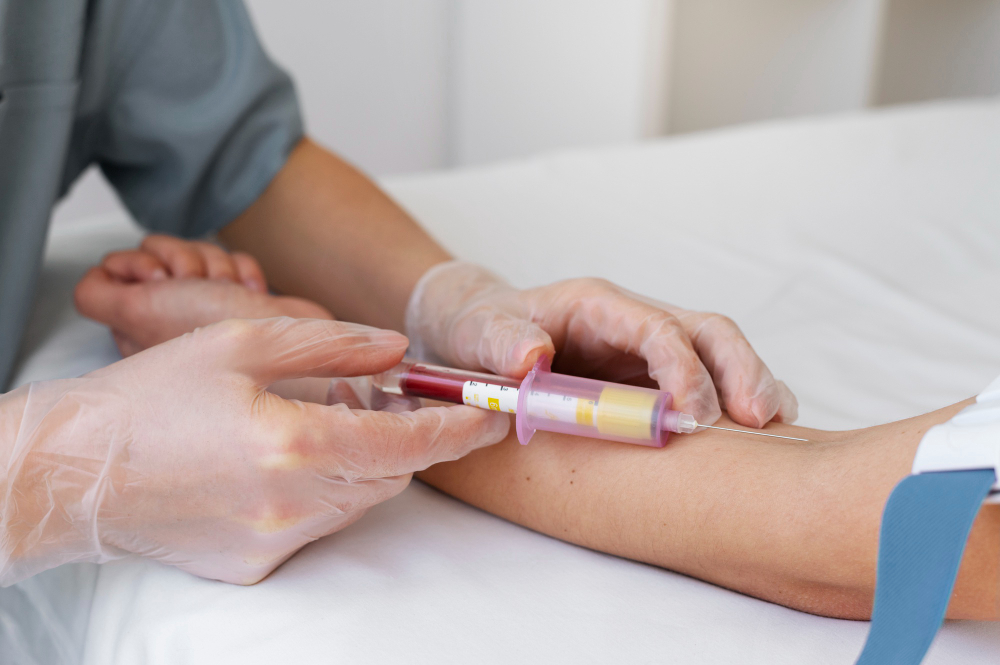
During the test, a nurse or technician will draw a small amount of blood from your arm. The process usually takes less than five minutes. You may feel a quick pinch, but it is not very painful. Afterward, you can return to your normal activities right away.
Understanding Lipid Profile Results
Your lipid profile test will show several numbers. Each one tells you about a different type of fat in your blood. Here is what they mean:
Doctors use these results to check your heart health. If your numbers are outside the normal range, your doctor will explain what they mean for you.
What Do Abnormal Results Mean?
Sometimes, your test may show high or low levels. Here is what abnormal results can mean:
However, one abnormal result does not always mean you have a health problem. Your doctor will look at your full health picture before making any decisions.
Lifestyle Tips for Healthy Lipid Levels
Even if your results are not perfect, you can take steps to improve them. Try these tips:
With these changes, you can help keep your cholesterol and triglycerides in a healthy range.
Prevention and Follow-Up
Regular lipid profile tests help you stay on top of your heart health. If your results are not normal, your doctor may suggest more tests or medicines. However, healthy habits are always important. Make sure to follow your doctor’s advice and schedule follow-up tests as needed.
Conclusion
In summary, a lipid profile test is a simple way to check your heart health. It helps find risks early, so you can take action. If you have questions about your results, consult your healthcare provider at Platinum Lab for personalized advice about your lipid profile test results.