
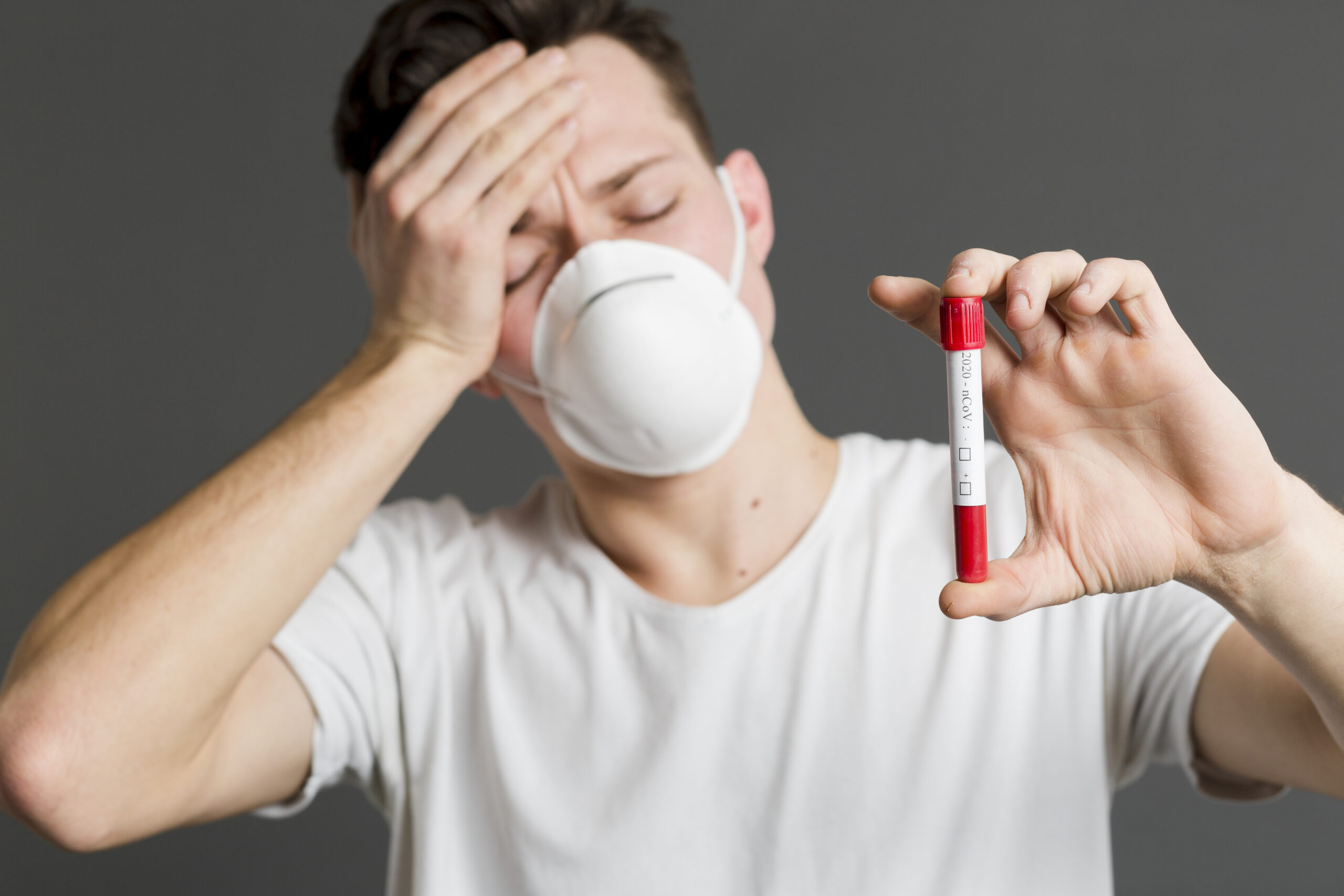
What Is Stress?
Stress is your body’s reaction to any demand or challenge. Sometimes, stress can help you stay alert. However, too much stress can harm your health. For many people, stress comes from work, family, or health problems. Because stress is common, it is important to know how it affects your body. In this blog, you will learn how stress physically changes your blood chemistry and what you can do about it.
How Stress Affects the Body
When you feel stressed, your body releases hormones like cortisol and adrenaline. These hormones prepare you to face danger. For example, your heart beats faster, and your muscles get ready to act. But if stress lasts too long, it can cause problems. Over time, stress can change how your body works. In fact, stress and blood chemistry are closely linked.
Key Changes in Blood Chemistry Due to Stress
Stress triggers several changes in your blood. These changes help your body respond quickly. However, ongoing stress can make these changes harmful. Here are some key effects of stress on blood:
Because of these changes, stress biomarkers are often found in blood tests.
Symptoms Linked to Blood Chemistry Changes
Not everyone feels the same symptoms. Still, stress-related blood changes can cause:
Sometimes, these symptoms may seem minor. However, they can signal bigger health issues if stress continues.
Diagnosis: How Doctors Detect Stress-Related Blood Changes
Doctors use blood tests to check for stress biomarkers. For example, they may look at:
Because these tests help spot changes early, doctors can suggest ways to lower your risk. According to the CDC and WHO, regular check-ups are important for people under stress.
Managing and Preventing Stress-Induced Blood Chemistry Changes
There are many ways to manage stress and protect your blood chemistry. For instance, you can:
Additionally, some people find that hobbies or spending time outdoors reduce stress. Because everyone is different, you may need to try a few methods to see what works best for you.
When to Seek Medical Advice
If you notice ongoing symptoms, it is wise to talk to a doctor. For example, if you feel tired, have trouble sleeping, or notice changes in your health, seek help. Early action can prevent serious problems. In many cities, healthcare providers can check your stress and blood chemistry. They can also guide you on the best steps to take.
Consult a healthcare professional at Priyanka Patils Lab for personalized advice on managing stress and its effects on your blood chemistry.