
What is Histopathology?
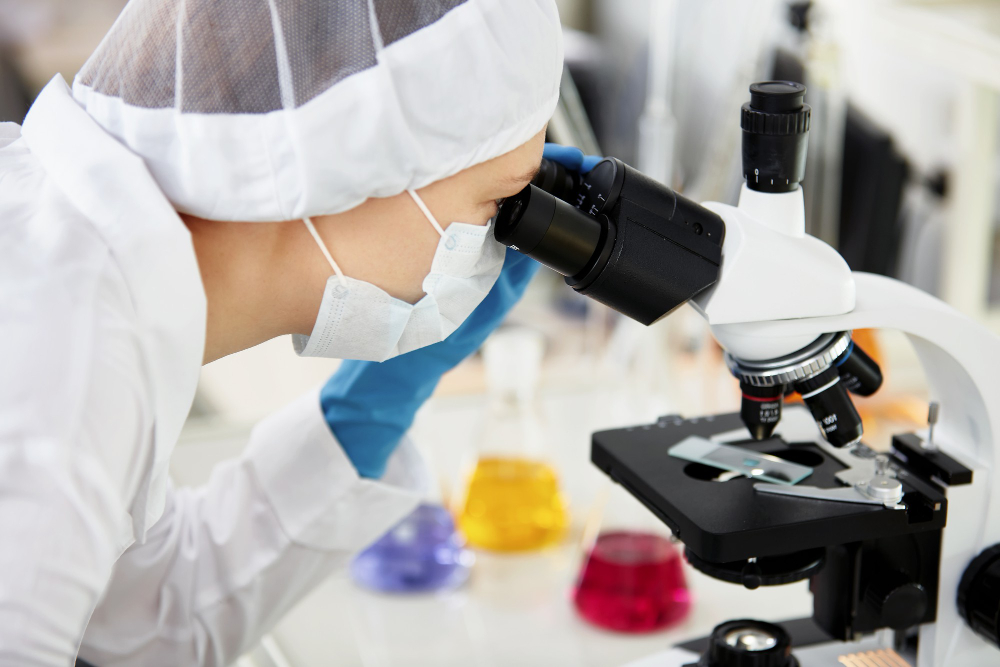
Histopathology is the study of tissues under a microscope. Doctors use it to find out what is wrong inside the body. When you have a lump or unusual growth, your doctor may suggest a histopathology test. This test helps find the exact cause of the problem. Because of this, histopathology is a key part of accurate disease diagnosis.
How Does Histopathology Work?
First, a small tissue sample is taken from your body. This is called a biopsy. Next, the sample goes to a laboratory. There, a pathologist prepares and examines it under a microscope. Often, special stains or dyes are used to highlight details. As a result, the pathologist can spot changes in the tissue. These changes may show signs of disease.
Why is Histopathology Important for Disease Diagnosis?
Histopathology helps doctors see diseases at the cellular level. For example, it can show if a tumor is cancerous or not. Because of this, doctors can make the right treatment plan. In addition, histopathology can detect infections, inflammation, and other problems. Therefore, it plays a vital role in accurate disease identification and the overall role of pathology in healthcare.
Common Diseases Diagnosed by Histopathology
Doctors use histopathology to diagnose many diseases. Some common examples include:
Because histopathology can find early changes, it helps start treatment sooner.
The Histopathology Process: Step-by-Step
The histopathology diagnosis process follows clear steps:
Each step is important for accurate results. Therefore, skilled professionals handle every part of the process.
Benefits and Limitations of Histopathology
Histopathology offers many benefits:
However, there are some limitations:
Even so, histopathology remains a trusted tool for disease diagnosis worldwide.
When Should You Consider a Histopathology Test?
Your doctor may suggest a histopathology test if:
In many cities, you can find histopathology services in local hospitals or clinics. Always ask your doctor if you have questions about the test.
Prevention and Lifestyle Guidance Related to Disease Diagnosis
While histopathology helps diagnose diseases, prevention is always better. For example, you can:
Because early diagnosis leads to better outcomes, healthy habits and timely tests are important.
Consult a qualified pathologist at Priyanka Patils Lab or healthcare provider for personalized advice on disease diagnosis and testing.