
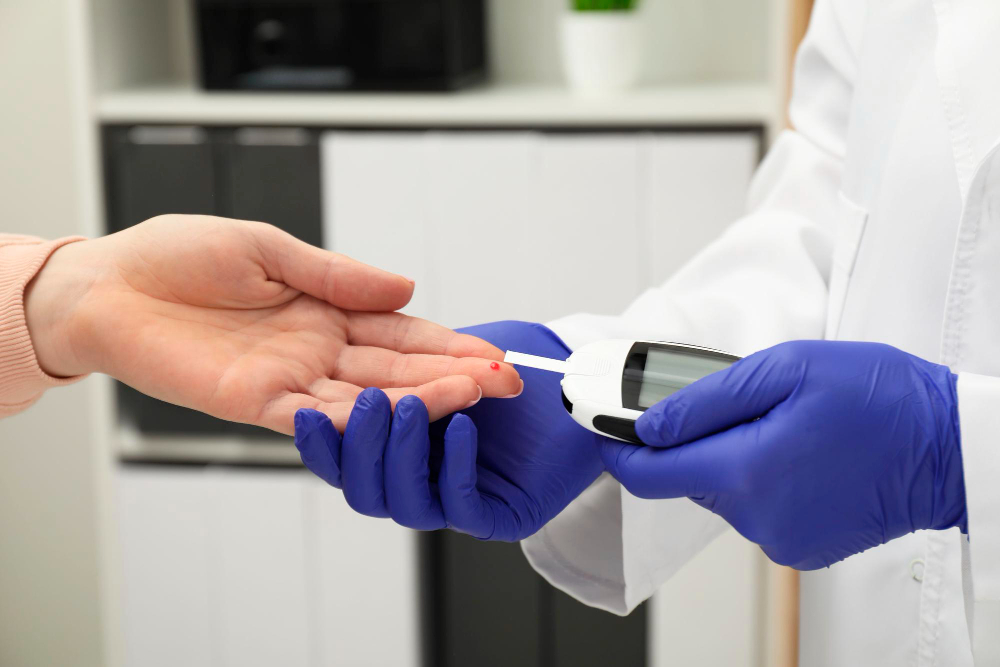
What Is a Diabetes Screening Test?
A diabetes screening test checks your blood sugar levels. It helps find diabetes early, even before symptoms appear. Early diabetes detection is important because it can prevent serious health problems. Many people ask how to test for diabetes. The answer is simple: a diabetes screening test is the first step.
Why Is Diabetes Screening Important?
First, diabetes can harm your heart, kidneys, eyes, and nerves. However, you may not notice any signs at first. Because of this, regular screening helps catch diabetes early. Early treatment can lower your risk of complications. According to the CDC and WHO, early diabetes detection saves lives and reduces long-term costs.
Who Should Get Screened?
Not everyone needs a diabetes screening test right away. Still, some people have a higher risk. You should consider screening if you:
Even if you feel healthy, it is wise to follow diabetes screening guidelines. Your doctor can help decide when to start.
Types of Diabetes Screening Tests
There are several ways to test for diabetes. Each test measures blood sugar in a different way. Here are the most common types:
Each test has its own benefits. Your doctor will choose the best one for you.
How to Prepare for a Diabetes Screening Test
Preparation depends on the type of test. For a fasting blood sugar test or OGTT, you should:
For the HbA1c test, you do not need to fast. Still, it is good to follow your doctor’s instructions.
What to Expect During and After the Test
During the diabetes screening test, a nurse or lab worker will take a small blood sample. This usually takes only a few minutes. You may feel a quick pinch, but it is not very painful. After the test, you can eat and drink as usual. For the OGTT, you will need to stay at the clinic for a few hours. Your doctor will explain when and how you will get your results.
Understanding Your Results
Once your results are ready, your doctor will explain what they mean. Here is a simple guide:
If your results show prediabetes or diabetes, do not worry. Early diabetes detection means you can take steps to stay healthy. Your doctor will suggest what to do next.
Prevention and Lifestyle Tips After Screening
Even if your test is normal, you can lower your risk of diabetes. Here are some tips:
However, if you have prediabetes or diabetes, follow your doctor’s advice closely. Small changes can make a big difference in your health.
Conclusion
In summary, a diabetes screening test is a simple way to protect your health. Early diabetes detection helps prevent serious problems. If you have risk factors, talk to your doctor about how to test for diabetes. Consult Priyanka Patil’s Lab for personalized advice on diabetes screening and get expert guidance on your results.