
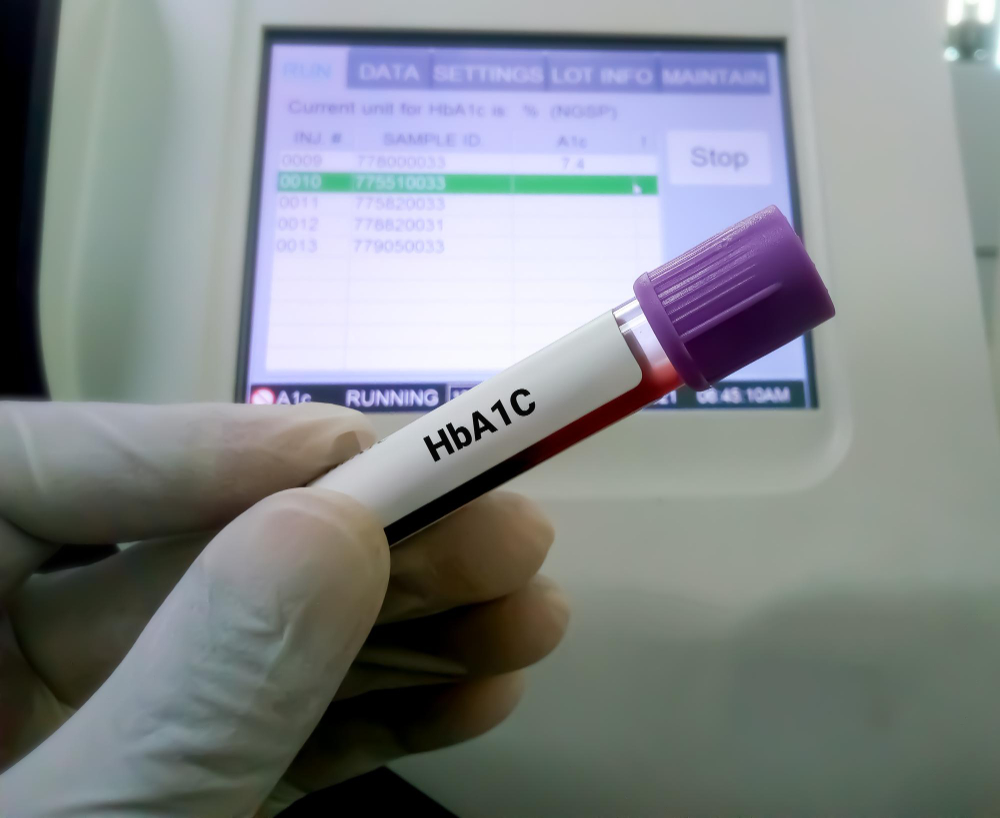
What is HbA1c?
HbA1c is a simple blood test that shows your average blood sugar level over the past three months. Doctors often use the HbA1c test to check for diabetes or to see how well diabetes is managed. Because it gives a long-term picture, it is more helpful than a single blood sugar reading. In fact, many health experts, including the Centers for Disease Control and Prevention (CDC), recommend regular HbA1c testing for people with diabetes.
Why is HbA1c Important?
HbA1c is important because it helps you and your doctor understand your risk for diabetes and its complications. For example, a high HbA1c level means your blood sugar has been high for a while. Over time, this can harm your heart, kidneys, eyes, and nerves. On the other hand, keeping your HbA1c in a healthy range can lower your risk of these problems. Therefore, knowing your HbA1c helps you take control of your health.
How is HbA1c Measured?
Doctors measure HbA1c with a simple blood test. You do not need to fast before this test. The lab checks how much sugar is attached to your red blood cells. Because these cells live for about three months, the test shows your average blood sugar during that time. Most clinics and hospitals offer the HbA1c test. In some places, you can even get tested at home with special kits. However, always follow your doctor’s advice on where and how to test.
Normal and Abnormal HbA1c Levels
Knowing the HbA1c normal range helps you understand your results. According to the World Health Organization (WHO) and CDC:
For most people with diabetes, doctors suggest keeping HbA1c below 7%. However, your target may be different based on your age and health. Always talk to your doctor about your personal goal.
Causes of High or Low HbA1c
Many things can affect your HbA1c level. For instance, high HbA1c often means your blood sugar has been high for a long time. This can happen if you eat too many sugary foods, skip medicines, or do not exercise. Sometimes, stress or illness can also raise your HbA1c. On the other hand, low HbA1c may mean your blood sugar is too low. This can happen if you take too much diabetes medicine or skip meals. Rare blood problems can also affect your HbA1c result.
Symptoms and Health Risks Linked to Abnormal HbA1c
Often, people with high HbA1c do not notice symptoms right away. But over time, high levels can cause:
Moreover, high HbA1c raises your risk for heart disease, kidney failure, nerve damage, and vision loss. Low HbA1c can also be risky, especially if it leads to frequent low blood sugar episodes. Therefore, keeping your HbA1c in a healthy range is key for long-term health.
How to Manage and Lower HbA1c
Managing your HbA1c is possible with healthy habits. Here are some tips:
Sometimes, your doctor may change your medicine or suggest new treatments. Always follow medical advice for the best results. For more details, the CDC and WHO offer helpful guides on diabetes care.
Prevention Tips for Healthy HbA1c Levels
Even if you do not have diabetes, you can keep your HbA1c in a healthy range. For example:
Early action can prevent diabetes and its complications. Therefore, small changes now can make a big difference later.
Conclusion
In summary, understanding your HbA1c helps you take charge of your health. Regular testing, healthy habits, and medical advice can keep your levels in check. Consult a healthcare professional at Priyanka Patil’s Lab for personalised advice about your HbA1c levels.