
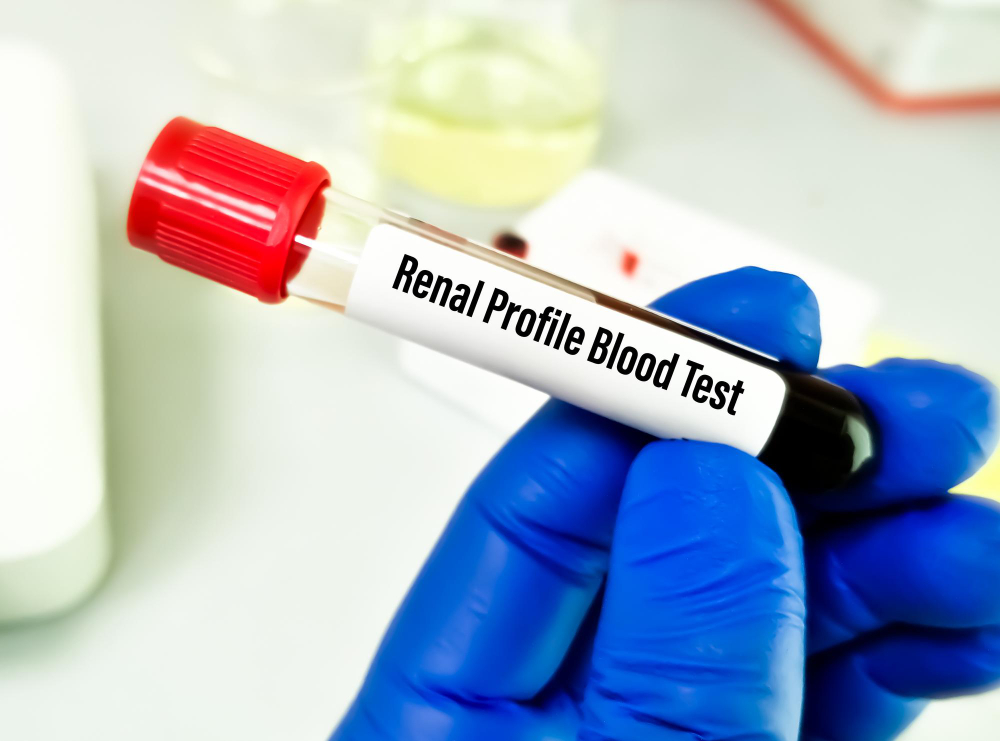
What Are Renal Function Tests?
Renal function tests check how well your kidneys work. These tests use blood and urine samples. Because kidneys filter waste from your blood, these tests help find problems early. Many people get renal function tests as part of routine health checks. If you live in a city with many hospitals, you may find renal function tests in your area easily.
Why Are Renal Function Tests Important?
Kidneys keep your body healthy by removing waste and extra water. However, kidney problems often show no symptoms at first. For this reason, renal function tests are important. They help doctors spot issues before they become serious. Early detection can lead to better treatment and healthier kidneys.
Types of Renal Function Tests
There are several renal function test types. Each test checks a different part of kidney health. Some common tests include:
Key Parameters Measured
Each test measures specific kidney test parameters. Here are some key values:
Doctors use these normal kidney function values to check your health. If your results are outside these ranges, it may signal a problem.
How to Prepare for the Tests
Most renal function tests need little preparation. Still, you should follow your doctor’s advice. For example, you may need to:
Always ask your healthcare provider about any special steps. This way, your results will be accurate.
Understanding Your Results
After the tests, your doctor will explain what the numbers mean. Sometimes, a single abnormal result does not mean you have kidney disease. For example, dehydration can raise BUN or creatinine levels. On the other hand, long-term changes may show a real problem. Because of this, doctors often repeat tests to confirm results. If you have questions, ask your doctor to explain your results in simple terms.
When to Consult a Doctor
It is important to talk to a doctor if:
Early advice can help prevent further kidney damage. Therefore, do not wait if you notice any warning signs.
Prevention and Kidney Health Tips
Keeping your kidneys healthy is possible with simple steps. Here are some tips:
In summary, renal function tests are key for early detection and care. Consult a healthcare professional at Priyanka Patil’s Lab for personalized advice on your renal function test results.