
What Is the Widal Test?
The Widal test is a simple blood test. Doctors use it to help diagnose typhoid fever. Typhoid fever is a serious infection caused by bacteria called Salmonella typhi. Because the Widal test is easy and quick, it is often used in places where typhoid is common. However, it is important to know how the test works and what the results mean.
Purpose and Importance of the Widal Test
The main purpose of the Widal test is to check for signs of typhoid fever. It looks for special proteins, called antibodies, in your blood. These antibodies form when your body fights the Salmonella bacteria. Since early treatment is important, the Widal test can help doctors start care quickly. In many areas, especially where typhoid is common, this test is a useful tool.
When Is the Widal Test Recommended?
Doctors may suggest the Widal test if you have symptoms of typhoid fever. Common symptoms include:
Sometimes, the test is also used if you have traveled to places where typhoid is common. If you have been in contact with someone who has typhoid, your doctor may also recommend this test.
How Is the Widal Test Performed?
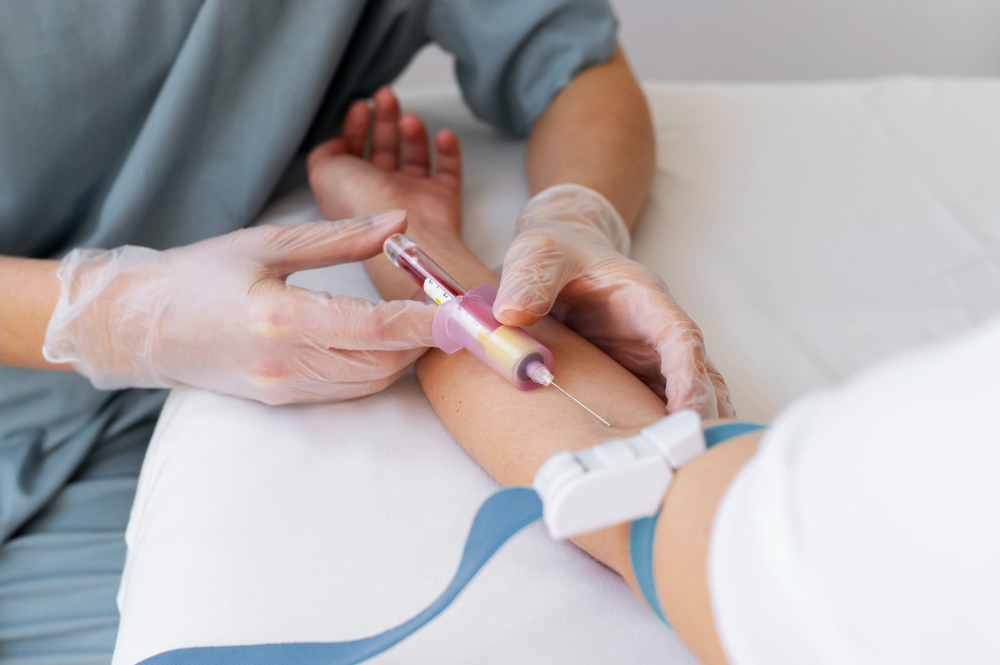
The Widal test procedure is simple and safe. Here is what usually happens:
In the lab, your blood is mixed with special solutions. These solutions help show if your body has made antibodies against typhoid bacteria.
How to Prepare for the Widal Test
Usually, you do not need to do anything special before the Widal test. You can eat and drink as normal. However, let your doctor know about any medicines you take. Some medicines may affect your results. If you have questions, always ask your healthcare provider before the test.
How Are Widal Test Results Interpreted?
After the test, your doctor will look at the results. The Widal test checks for two types of antibodies: O and H. These are linked to the Salmonella bacteria. The results are given as numbers, called titers. Higher numbers may mean you have typhoid fever. However, the test is not perfect. Sometimes, people with other infections may also have high titers. Because of this, doctors use your symptoms and other tests to make a final diagnosis.
Limitations and Accuracy of the Widal Test
While the Widal test is helpful, it has some limits. For example, it may not always give a clear answer. In some cases, people who had typhoid in the past may still have antibodies. Also, people who got the typhoid vaccine may test positive. Because of these reasons, the Widal test is often used along with other tests. According to the World Health Organization (WHO), blood culture is more accurate, but it takes longer and is not always available.
Safety and Risks of the Widal Test
The Widal test is safe for most people. The main risk is a small bruise or mild pain where the blood is taken. Rarely, some people may feel dizzy or faint. If you feel unwell during the test, tell the nurse right away. There are no serious risks from the test itself.
What to Do After Receiving Results
Once you get your results, talk to your doctor. If the test is positive, your doctor may suggest more tests or start treatment. If the test is negative but you still feel sick, your doctor may look for other causes. Always follow your doctor’s advice and take all medicines as prescribed.
Prevention and Lifestyle Guidance for Typhoid Fever
Even though the Widal test helps diagnose typhoid, prevention is best. You can lower your risk by:
By following these steps, you can help protect yourself and your family from typhoid fever.
Conclusion
In summary, the Widal test is a useful tool for diagnosing typhoid fever. However, it is not perfect and should be used with other tests and your doctor’s advice. Consult Priyanka Patil’s Lab if you have symptoms or concerns and get personalized advice about the Widal test.