
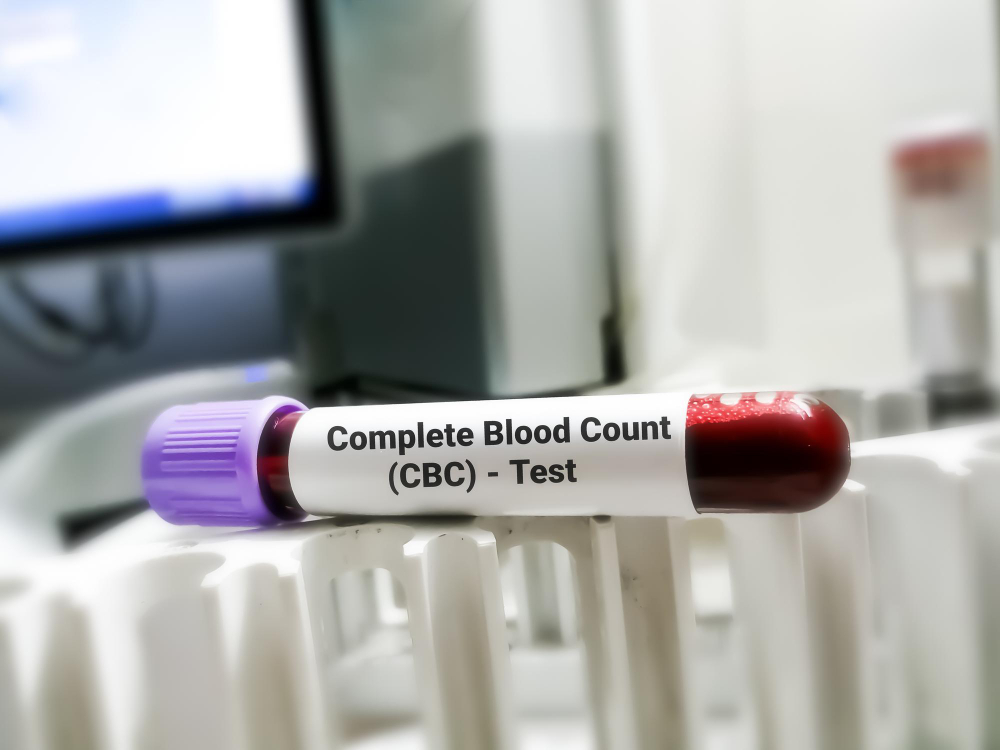
What is a CBC?
A CBC, or Complete Blood Count, is a common blood test. Doctors use it to check your overall health. The CBC measures different parts of your blood. For example, it looks at red blood cells, white blood cells, and platelets. Because it gives a lot of information, the CBC is often part of a routine checkup. According to the CDC, this test helps find many health problems early.
Why is a CBC Ordered?
Doctors order a CBC for many reasons. Sometimes, you may feel tired or weak. Other times, you might have an infection or unexplained bruising. In these cases, a CBC can help find the cause. Additionally, doctors use it to:
Because the CBC is simple and quick, it is often the first test doctors choose.
How is a CBC Performed?
Getting a CBC is easy. First, a nurse or technician takes a small blood sample from your arm. Usually, this takes just a few minutes. After that, the blood goes to a lab for testing. Most people feel only a quick pinch. You can eat and drink as usual before the test, unless your doctor says otherwise. Results are often ready within a day.
Understanding CBC Results
CBC results show numbers for each blood cell type. But what do these numbers mean? Here are the main parts:
Normal ranges can vary by age and sex. Your doctor will explain what your numbers mean. For more details, you can check the CDC’s guidelines on CBC normal range.
Common Conditions Detected by CBC
A CBC can help find many health problems. For example, it can detect:
Because the CBC test meaning covers many issues, it is a key tool for doctors.
When to Consult a Doctor
Sometimes, your CBC results may be outside the normal range. However, this does not always mean you have a serious problem. Many things, like stress or a mild infection, can affect your blood count. Even so, you should talk to your doctor if:
Only a healthcare professional can explain what your CBC results mean for you.
Frequently Asked Questions about CBC
In summary, a CBC or complete blood count test is a simple way to check your health. It helps doctors find many common problems early. Consult Priyanka Patil’s Lab if you have questions about your CBC results and receive personalized advice for better health.